
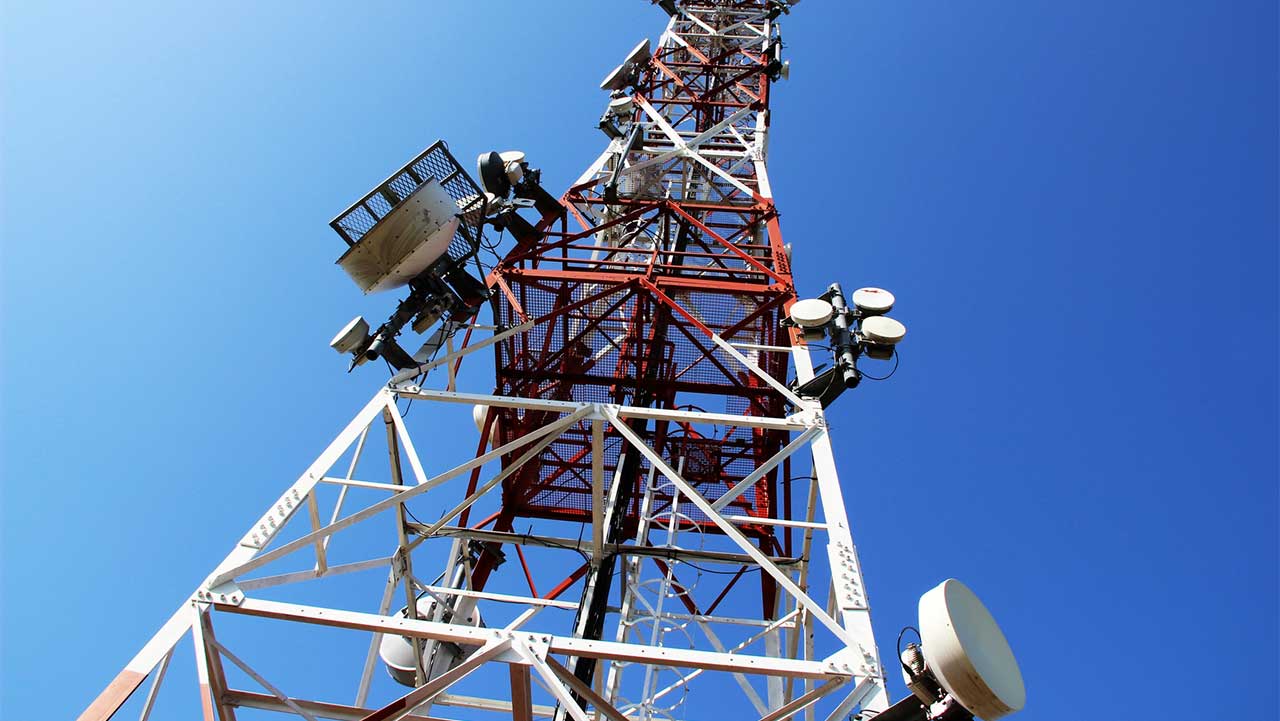
Following incessant complaints from subscribers regarding unsolicited messages, the NCC (Nigerian Communications Commission) recently set out to enforce a directive, mandating telecoms operators to dedicate the short code ‘2442’ , thus empowering individuals to take informed decisions on text messages and calls.
The Directive was first issued on April 20, 2016, but due to the continuing failure by telecoms operators to comply, the Commission gave a further one-week ultimatum from November 14, 2016 failing which, sanctions would become applicable. The NCC asked the network providers to disemminate the information on the “Do Not Disturb Service via the End of Call Notification” between 8am-8pm daily for at least 45 days from the receipt of the Commission’s letter on the subject. The Commission also admonished them to deploy the said information through every available channel, including social media
The Commission also clarified that the following types of information are network generated and therefore do not constitute ‘unsolicited marketing messages’:
- National security
- Fire notifications
- Network maintenance,
- Program down times,
- Notifications regarding subscribers’ bundle usage and service renewals
The NCC aims to have reached and enlightened at least 50% of consumers on the ‘Do Not Disturb’ (DND) Service at the end of the sensitization exercise.
NO MORE IMPORTATION OF VEHICLES THROUGH LAND BORDERS!
On 5 December 2016, the Nigeria Customs Service (NCS) issued a statement banning the importation of vehicles through the nation’s land borders.
This prohibition (effective 1st January 2017) covers new and used vehicles and is sequel to a Presidential Directive limiting all vehicle importation to Nigerian to sea ports only. All importers of vehicles were however granted a grace period till 31st December to clear all outstanding vehicle importation in neighbouring ports.
So what has the reaction been to this ban?
Several stakeholders have decried the ban on the basis that the prices of cars would skyrocket and the small-scale importers who buy cars from Cotonou to sell in Nigeria would be out of business. Others are of the opinion that rather than achieve what it intended, the rate of smuggling would in fact increase as the high tariffs and delays in clearing vehicles imported through the sea would discourage car importers. They therefore advise the government to rather concentrate efforts at battling smuggling, the insincerity of customs officials as well as make the ports more conducive and friendly to vehicle importation before implementing this policy.
NAFDAC CONTINUES TO MOP UP IMPORTED FRUIT JUICES NATIONWIDE
 The National Agency for Food and Drug, Administration and Control (NAFDAC) recently issued a circular dated December 19, 2016, notifying the general public that effective 1st January 2017, its enforcement officers would visit markets and supermarkets across the country to enforce the ban on the importation of fruit juices in retail packs. This circular is sequel to continuing efforts to enforce a 2003 Federal Government ban which appeared to have been ignored in the last few years, with the proliferation of such products in the markets. The 2003 ban was meant to encourage local production of fruit juices, thus boosting our economy as well as to safeguard the health of consumers.
Speaking after a raid of various markets in Lagos, Deputy Director, Investigation and Enforcement Directorate, Mr Francis Ononiwu advised that retailers had until December 31, 2016 to remove the affected items from their shelves and stop selling them or risk severe sanctions. The Agency also reiterated that fruit juices can only be imported into the country in drums containing concentrates from which they can be processed and repacked for retail purposes, thus committing to upholding the vision of the Federal Government when the ban was first announced in 2003.
Post a comment